Mothers’ Day: Childless women in Agormenya face stigma
Mothers’ Day: Childless women in Agormenya face stigma

The Good Books refers to Children as gifts from God. In parts of Africa and Ghana, children are deemed assets and most cases important to continue a family’s lineage.
Hence, failure to bear children comes with societal and family stigma.
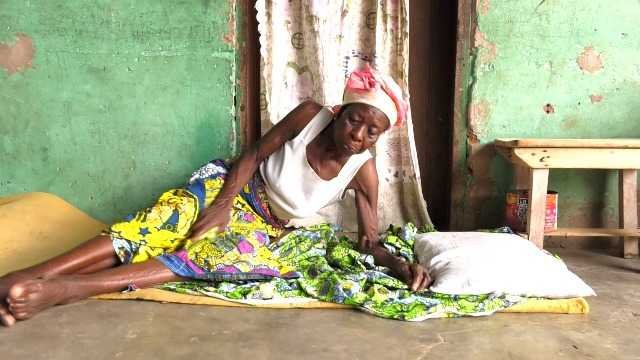
That has been the predicament of 65-year-old Mary Maku Tetteh, a peasant farmer residing at Agormanya Agbom in the Eastern Region.
Mary’s husband divorced her after more than two decades of marriage without a child, throwing her into a state of misery. At her old age she now depends on neighbours for assistance and survival.
Mary tells Stanley Nii Blewu of 3news.com that she was once a vibrant young crop farmer.
She got married in her late twenties but has been unable to conceive.
Mary said, “My childlessness has been a greater source of concern to me because I don’t have anyone to now take care of me. I sometimes find it difficult to call people to run errand for me.”
Her inability to conceive, coupled with the divorce pushed Mary into a state of misery and frustration.
But with support from her extended family, she built resistance to societal stigma and later found solace in her siblings’ children.
Mary has been confined to her family house due to ill health and now relies on her neighbours for assistance and survival.
A reflection of her present condition invokes her emotions that pushes to frequently weep.
She said soberly as tears from her eyes roll down her cheeks. She prayed for Devine protection and longevity of life for those who have been helping her.
“I pray for life for those who have been helping me all the time, because without them, I wouldn’t have known my fate,” she said.
At Agormanya, other elderly female colleagues of Mary visit her to keep her company but retreat at night where she goes back to her lonely life.
Mary Maku Tetteh is not the only woman in Agormanya in this situation.
Fifty-five-year-old Mary Lajeh Kwame became emotional and subsequently teary when she recounts how society capitalized on her condition to humiliate her.

Lajeh averred that, “I feel very sad because all my childhood colleagues have children and they know my situation yet they stigmatize me.”
She further recounted, “When I call any of their children to run errand for me, their mothers’ will simply prevent them. When that happens I lock myself up in my room and weep.”
Stigma against people like her affects their self-esteem in society. For her, Mother’s Day celebration is a day of regret and pain.
Lajeh said “I feel sorry that I have no child who can call me a mother or celebrate with me on Mother’s Day.”
Mother figures, like Maku and Lajeh are essential to society and occasions such as Mother’s Day is a wonderful opportunity to celebrate and appreciate them.
By: Stanley Nii Blewu
About The Author


