Living with G6PD deficiency: A silent struggle by Jemimah
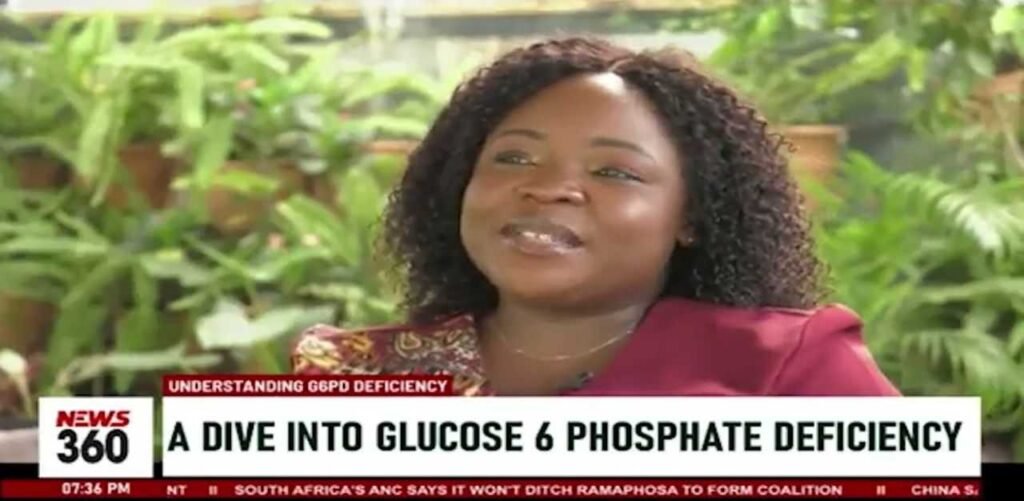
Living with G6PD deficiency: A silent struggle by Jemimah

It’s a condition that affects millions of people worldwide, yet many live their entire lives without even knowing they have it.
Glucose-6-phosphate dehydrogenase deficiency, or G6PD, is the most common enzyme deficiency in humans, impacting about 400 million individuals globally. In this report, we explore the experiences of those living with the condition and the medical insights into managing it.
Understanding G6PD Deficiency
G6PD deficiency is a genetic condition that predominantly affects people of African, Mediterranean, and Asian descent. The enzyme G6PD is crucial for the proper functioning of red blood cells, protecting them from damage. However, in people with G6PD deficiency, the absence or malfunction of this enzyme makes red blood cells vulnerable to breaking down prematurely, a condition known as hemolytic anemia.

A Personal Story: Jemimah’s Journey
I had the opportunity to meet Jemimah, a vibrant young woman who discovered she had G6PD deficiency in her twenties after a seemingly ordinary meal. Jemimah recounted the day she experienced severe symptoms after eating a bowl of waakye, a popular Ghanaian dish.
“I felt extremely weak and dizzy,” she said. “It was only after several tests that doctors diagnosed me with G6PD deficiency.”

To shed more light on G6PD deficiency, I spoke with Dr. Ahmed Qinan Lukeman, a Physician Specialist with the Ghana Armed Forces Critical Care and Field Hospital. He explained that the condition is triggered by certain substances and environmental factors.
“People with G6PD deficiency need to avoid specific triggers like fava beans, certain medications, and infections,” Dr. Lukeman said.
“These triggers can cause the red blood cells to break down rapidly, leading to hemolytic anemia,” he explained.
Dr. Lukeman highlighted that symptoms of hemolytic anemia can include fatigue, shortness of breath, rapid heart rate, and jaundice. Early diagnosis and management are crucial to prevent severe complications.
Living with G6PD Deficiency
For Jemimah, living with G6PD deficiency means constant vigilance over her diet and environment. She shared how the condition has impacted her daily life and the adjustments she has made to manage it.
“I have to be very careful with what I eat and the medications I take,” she said. “It’s challenging, but I’ve learned to live with it and take the necessary precautions.”
Despite the challenges, Jemimah remains positive and resilient. She is determined to raise awareness about G6PD deficiency and support others facing similar struggles. She emphasized the importance of awareness and education in managing the condition.
“Many people are unaware of G6PD deficiency,” she noted. “I want to use my experience to help others understand the condition and how to live with it,” Jemimah added.
G6PD deficiency, though common, is a condition that often goes undiagnosed until symptoms become severe. Through the stories of individuals like Jemimah and the expertise of medical professionals like Dr. Lukeman, we can better understand the condition and the importance of awareness and proper management.
As Jemimah continues her journey, her story serves as an inspiration and a reminder of the resilience and strength of those living with G6PD deficiency.
About The Author