Polycystic Ovary Syndrome is treatable – Doctor
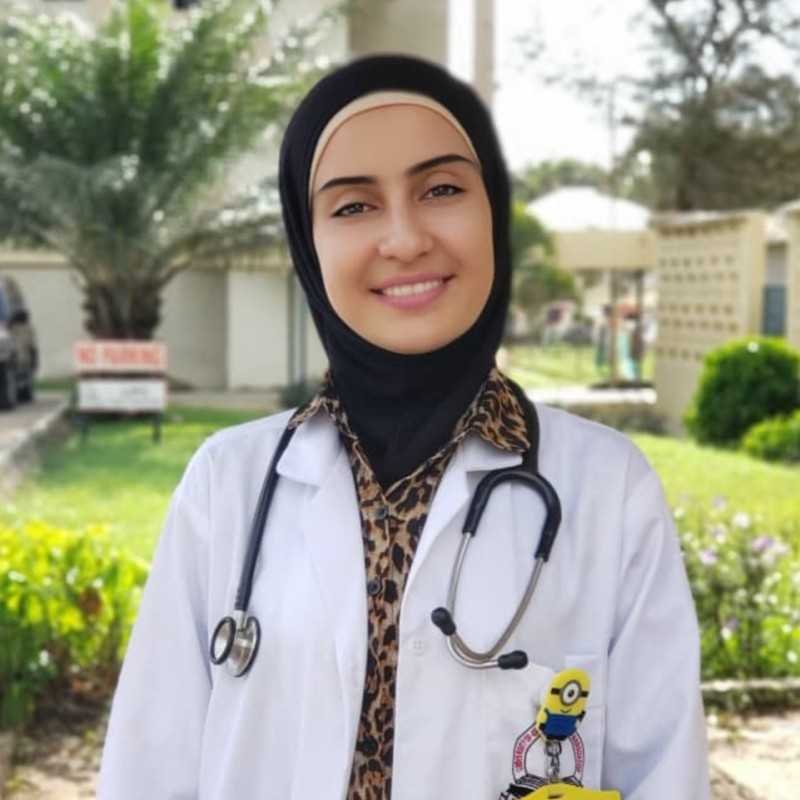
Polycystic Ovary Syndrome is treatable – Doctor

A medical doctor, Dr. Omaima M. Arab, has shed light on Polycystic Ovary Syndrome (PCOS), particularly its symptoms, diagnosis and treatment options.
Polycystic ovary syndrome (PCOS) is a common hormonal condition that affects women of reproductive age. It usually starts during adolescence, but symptoms may fluctuate over time. Often presents a myriad of symptoms ranging from unwanted hair growth to irregular menstrual cycles.
According to Dr. Omaima M. Arab, “Women notice certain changes about themselves with PCOS,” she explained, “So mostly, women begin to experience hair at inappropriate places—places where women are not supposed to be having hair. So maybe on the chest, under the chin, and sometimes around the mustache area.”
She said in an interview with Helen Appiah-Ampofo on 3FM Sunrise Morning Show on March 4.
She further elaborated, “Also, some experience a lot of acne, others also begin to experience irregular periods. When it comes to PCOS, there really isn’t much of a period.”
Dr. Arab emphasized the significance of recognizing irregular periods as a potential sign of hormonal imbalance, particularly for those who have taken pregnancy tests with negative results. “Assuming you are expecting your period this month and it doesn’t show up and you’ve taken a pregnancy test and it’s also negative, then you’re more likely to be thinking of a hormonal issue that is causing it,” she added.
Diagnosing PCOS can be challenging as there is no definitive test for it. However, Dr. Arab explained that medical professionals typically rely on a combination of criteria, including irregular menstrual cycles, signs of excessive testosterone levels, and diagnostic imaging such as ultrasounds.
“When it comes to treating PCOS, it all depends on the problem or the concern of the patient. Some come to you and at the moment they are not planning to give birth. Infertility is really not their issue. Their issue maybe, is the hair on the chin or the hair on the chest.” Dr. Arab emphasized.
She highlighted the importance of tailoring treatment plans to address individual concerns, stating, “Usually, the management depends on what the patient’s concern is. If maybe the patient concern is wanting to have a period, you treat accordingly.”
Dr. Arab provided hope by noting that PCOS can be effectively managed, with symptoms potentially resolving completely. However, she emphasized that treatment outcomes often depend on the patient’s desires and goals, particularly concerning fertility and symptom alleviation.
By Joselyn Kafui Nyadzi
About The Author